Fluffy white clouds against a blue sky

Our Blog

Make your child’s next visit to our office great!

March 5th, 2025

If you have been bringing your baby in for regular checkups since that first tooth arrived, you might expect that he or she is already familiar with Dr. Varble, Dr. Dill, Dr. Wong, and Dr. Parks and our staff. Often, though, months pass between visits, which is a very long time for a child. How can you make your preschooler’s return visit a happy one? We have some suggestions!

Before Your Visit

  • Prepare your child for her visit. Simple explanations are best for a young child. You might tell your daughter that a dentist is a doctor who helps keep her teeth strong and healthy. Let her know a bit about what will happen. Being told, “You will sit in a special chair,” or, “Can you open wide so we can count your teeth?” will give her some idea of what it’s like to visit our office.
  • There are many entertaining books for young children about visiting the dentist. Reading some of these to her for a few days before the appointment will let her know what to expect.
  • Use playtime to prepare. You might count your daughter’s teeth or let her “play dentist” and brush the teeth of her favorite doll or stuffed animal.

When You Arrive

  • Your attitude can be contagious! If you treat a visit to the dentist like any other outing, chances are your child will too. Your calm presence is exactly what your child needs.
  • You might want to come a bit early to let your son explore the office. Bring a favorite toy or book to keep him entertained if you need to. A favorite stuffed toy can be a comfort in an unfamiliar place.
  • If you are with your child during his checkup, follow our lead. Don’t be concerned if your child seems uncooperative at first or even throws a tantrum—we are used to working with children, and have techniques to make his experience as relaxed and as positive as we possibly can.

We Are Here to Help

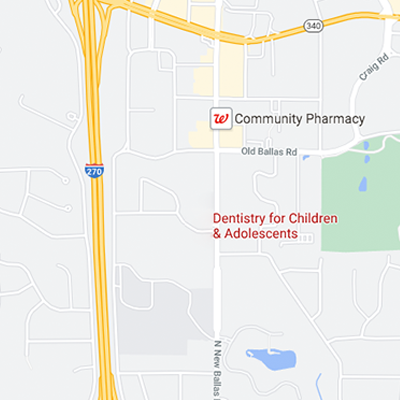
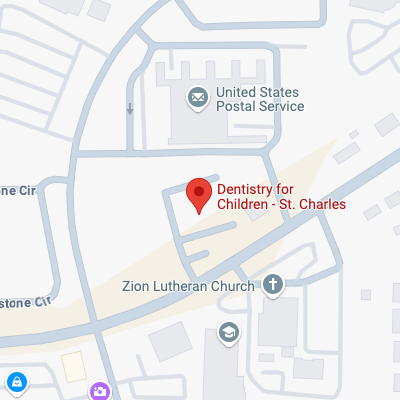
We are your partners in your child’s dental care. Call our Creve Coeur or St. Charles office anytime for suggestions about making your child’s visit a comfortable, comforting experience. Our goal is to start your child confidently on the road to a lifetime of empowering dental visits and lasting dental health.

Top Five Things to Keep Your Dentist Smiling

February 26th, 2025

Come say hello twice a year. The American Dental Association says two times is the charm. Multiple visits a year lets us keep an eye out for any developing issues. It’s important to remember that this goes for the whole family. Children over one year old should be seeing Dr. Varble, Dr. Dill, Dr. Wong, and Dr. Parks!

Stay fresh. At Dentistry for Children, we have a virtually unlimited stock of toothbrushes and floss, which means you have no excuse to be using a sad, ineffective toothbrush. As soon as bristles begin to fray, pick up a new one or stop by our Creve Coeur or St. Charles office and we’ll replace yours. On average, you should be opening a new one every two to three months.

For goodness sake, floss! Flossing is an efficient way to keep your whole mouth healthy. It not only protects your teeth by removing aggregated plaque, it keeps your gums happy, too.

And brush. Practicing regular healthy habits is essential to keeping your mouth—and us—happy! When it comes to brushing that means two minutes, two times a day. If your kids need some encouragement, try making a calendar or playing a song like this.

Tell a friend. One way you can help us is by spreading the love. Tell your friends about what a good thing we’ve got going here. The more the merrier. And the healthier.

Good Dental Hygiene Impacts Overall General Health

February 19th, 2025

There are many ways in which your oral health has an impact on your overall general health. There are naturally occurring bacteria in the mouth. Some of those bacteria, including strep and staph, are harmful, while other bacteria are essential for the balance of intestinal flora. The healthier your mouth is, the less likely it is the harmful bacteria will travel to other parts of your body to infect it and make you sick. There is much more to good dental hygiene than brushing and flossing.

Historical Methods of Maintaining Oral Health

Ancient civilizations relied on natural remedies for maintaining oral health. Around 250 AD, the Kemetic Egyptians used myrrh and other herbs as antiseptics for treating infected gums. Two centuries later, the Nubians, who lived in the Nile River valley, drank beer to ease the pain of infected teeth. That probably sounds crazy, but their beer was effective because they used grains that were contaminated with the same bacteria that produce the antibiotic tetracycline.

Today's Biggest Dental Hygiene Challenge

In the past, tooth decay was more of an issue because there was no routine dental care, and problems that are routinely treated today went untreated. Thanks to fluoridated water, and toothpastes containing fluoride, tooth decay is far less problematic than it was a century or more ago. Gum disease has replaced tooth decay as the most serious dental problem facing people today. According to the American Dental Association, a staggering 80 percent of Americans over age 65 suffer from some form of periodontal disease.

Ironically, if that infection attacked any other part of your body, especially in a place where it was clearly visible, you would head to your doctor for treatment immediately. People tend to ignore gum tenderness and bleeding. When the tenderness and bleeding aren't treated, the inflammation can turn into periodontitis. The longer you allow the inflammation to go untreated, the greater the likelihood that it will affect other body parts. Make sure to visit Dr. Varble, Dr. Dill, Dr. Wong, and Dr. Parks at Dentistry for Children regularly to be proactive about dental health!

Researchers are now discovering that untreated inflammation in the mouth acts as a driving force for multiple chronic illnesses, including clogged arteries, heart attacks, arthritis, and even cancer. That inflammation is one of many hypotheses that may explain how chronic infections can trigger systemic diseases, and even intensify existing ones. Bacterial overgrowth in the inflamed gum tissue can enter the bloodstream through the food you eat, and from daily brushing.

Caring for your mouth at home is just as important as visiting our office for exams!

When to Begin Dental Care for Your Baby

February 12th, 2025

Children’s oral health differs from the needs of adults in many ways. It’s vital for you to understand what your child needs to keep his or her teeth healthy. Dr. Varble, Dr. Dill, Dr. Wong, and Dr. Parks and our team are here to answer your questions to set you and your little one up for success.

In-home dental care should start as soon as your baby show signs of developing that first tooth. At around age one or two, bring your son or daughter to our Creve Coeur or St. Charles office. Dr. Varble, Dr. Dill, Dr. Wong, and Dr. Parks will examine your child’s tooth development and gum health.

The initial appointment will focus on getting your youngster familiar with our office and comfortable with our staff. We will go over several general matters during that first visit:

  • Inspect for signs of decay or other tooth or gum problems
  • Check for gum disease or cavities
  • Examine your child’s bite and possible misalignment
  • Clean the teeth, and apply fluoride if your child is old enough
  • Talk with parents about proper oral health
  • Give you tips for brushing and flossing your little one’s teeth
  • Answer any questions you may have about caring for your son or daughter’s teeth

Once your child is old enough for the first dental visit, you should schedule regular cleanings every six months. Call our Creve Coeur or St. Charles location if you have any conflicts or questions.