Our Blog

Chewing Gum Facts to Chew On

February 16th, 2017

Quick, look in the pockets of your coat, your purse, in your car or desk. There’s a pretty good chance you’ll find at least one pack, or piece, of chewing gum in those spots! It’s everywhere, and it’s all too easy to keep around for personal use or use in your family. But, is that such a good idea? The answer just might surprise you!

Today, we want to provide you with chewing gum facts, so that the next time you reach for a piece, you know what you’re in for and what to expect.

chewing gum facts girl blowing bubble

Chewing Gum Facts

The mouth is populated by many types of bacteria, including streptococcus mutans, the bacteria responsible for cavities (and strep throat). When it encounters and metabolizes sugar, it produces acid. Saliva is typically capable of handling this in small amounts, but when the bacteria encounters a large quantity of sugar over an extended period of time, that leads to cavities through a process called demineralization.

Saliva is important to the overall health of gum and teeth, but large amounts of sugar and bacteria easily counteract those benefits.

Some types of gum substitute the use of sugar with a natural sweetener, such as Xylitol. This type of sweetener is actually a big boon for your teeth! For your children, it can be most beneficial right before their adult teeth grow in—around the age of five or six.

Also, an additive called calcium lactate can be found in several gums that aids in the remineralization process.

It’s important to remember that, to a child, gum is often lumped in with candy and therefore seen as a reward. Use that to your advantage! Gum is by no means a replacement for brushing and flossing, but with the right brand it can prove to be a useful aid as long as they include helpful additives like Xylitol and calcium lactate and do not use sugar.

Helping your children pick out a gum as a method of improving dental health can have significant benefits. With the right amount of moderation, you can ensure they’ll have more than one reason to be smiling for years to come.

Tooth Friendly Snacks for You and Your Family!

February 16th, 2017

As 2015 settles in, we find ourselves also settling into our routines. Whether you’re at work, at home, or anywhere in between, we are creatures of habit. As such, it is important that we strive for building positive habits for not only ourselves, but our children as well.

At Dentistry for Children & Adolescents, we do our best to instill proper dental care and knowledge into all who walk through our doors. Today, we continue that mission by offering a few tooth-friendly foods for your children, along with a few you should avoid.

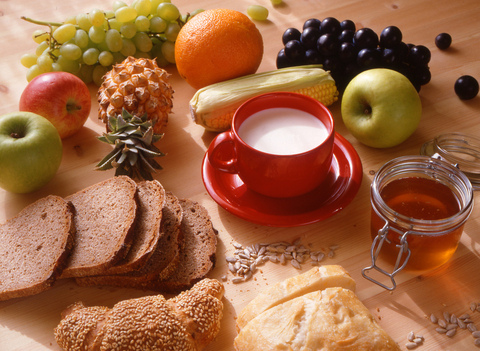
tooth friendly snacks for kids

Tooth Friendly Snacks #1: Apples

They can act as something of a natural toothbrush while also stimulating blood flow in the gums and increase saliva flow, which is important to protecting teeth and gum tissue. Not to mention how packed with vitamins and minerals they are, apples are one of the simplest snacks you can keep around your home.

Tooth Friendly Snacks #2: Cheese & Dairy

Cheddar, Gouda, Swiss and other aged cheeses help trigger saliva flow which is also very important for washing away food particles on teeth.

Dairy products of all sorts, provided sugar is not added, help teeth in a number of ways. Milk, yogurt, and similar products provide calcium and phosphates. A study that was published in the Journal of Oral Dentistry found that kids who eat at least four servings of dairy per week were less likely to get cavities than those who didn’t.

Tooth Friendly Snacks #3: Whole-grain options

By design, these type of foods are lower in sugar and calories because they’re sold to health-conscious buyers, which is a double bonus for you and your family. Crackers are a great whole-grain option, and cereals are generally a big hit with children. It’s easy to incorporate whole-grain into full-blown meals as well. When grocery shopping, look for the variety of pasta, rice, and bread to supplement your family meals.

As we’ve gone over in the past, there are also plenty of options to avoid. Ranging from sticky, dried fruits, citrus-only or highly acidic snacks, cereal bars, are all prone to developing cavities on a child’s tooth. However, now that you know what to look for and the common culprits, you should have no problem providing a healthy and tasty treat for whenever you’re family wants it!

Remember, developing good eating habits start with you, making it a group effort will not only make it fun and easy for them but also help you keep your own smile looking bright and beautiful!

Fruit Juice Facts and Alternatives

February 16th, 2017

It seems that every day, a new article is released proclaiming the risks to your children’s teeth and overall health if you let them drink soda or sugary drinks. We heartily agree with these reports, of course, but a mistake often made by parents is to substitute soda with fruit juice drinks thinking they are doing their children a healthy favor, when nothing could be further from the truth.

Today’s entry focuses on fruit juice facts, and some healthy alternatives for your children to keep their smiles bright, and their future health even brighter!

fruit juice facts, fruit juice dangers

Fruit Juice Facts

The real danger in fruit juices lies in two factors—fructose content and acidity. Almost everything you consume has some amount of high-fructose corn syrup (HFCS) in it as a substitute for actual sugar. Aside from the obvious dangers associated with the compound, (just type in ‘high-fructose corn syrup’ and see what pops up, it will shock you) it can wreak havoc on a young child’s teeth.

Our bodies processes HFCS differently from white sugar. HFCS causes intense blood sugar fluctuations which can cause minerals to be pulled away from bones and teeth. This absence leaves teeth weakened and more vulnerable to decay.

Next, the acidic content of these fruit drinks creates a double whammy on a young person’s teeth. The pH scale runs from 7 to 0, where 7 indicates something incredibly basic (meaning non-acidic) and 0 indicates something very alkaline (very acidic). For example, battery acid is rated as a 1, and tap water is rated as a 7 on the pH scale.

Did you know that a Capri Sun rates at 2.9? Or that a Hi-C Lemonaide drink rates at a 2.7 on the pH scale? Cranberry juice is rated as a 2.6, and contains 46 grams of sugar per 12 ounce serving. In case you wondering, that’s a lot.

Common go-to drink substitutes such as Sunny Delight don’t rate well either. It rates as fairly acidic at 2.4 on the pH scale, with 30 grams of sugar per 12 ounce serving.

So what are the alternatives?

Alternative Options

Well of course, water. For adults, this tends not to be an issue, but getting a young child to drink enough water in a day can be laborious. Using an orange slice for flavor can prove fruitful (pun intended) in this process, or perhaps a lemon. Coconut water is low in sugar and high in potassium, which makes it a perfect, flavorful addition to any fridge.

Milk is commonly considered okay by many pediatricians. Often, they recommend using whole milk until the age of two, then cutting back to 2% or skim. It has a low sugar content (2% has 16 grams per 12 ounce serving) and contains plenty of calcium and vitamin D—both of which are vital. If your child is allergic to dairy-- soy, hemp or rice milks that are calcium fortified make great substitutes.

Thumb Sucking: How To Help Break The Habit

February 16th, 2017

It’s a common issue, and it’s a very natural reflex for children to take to thumb sucking. It’s called non-nutritive sucking. Sucking on thumbs, fingers, pacifiers or anything else they can get their hands on helps with feeling happy and secure in a young child’s mind.

We’ve discussed the topic of choosing between a pacifier and a thumb, but what do you do when your child should stop sucking their thumb? Today, we’re going to discuss exactly that and give you our guide to wean your little one off the thumb!

young boy thumb sucking

As a baby, thumb sucking is quite natural and can help soothe and calm them, often to sleep (which helps you get some sleep as well). But as a child gets older, it can pose a problem.

Sucking can disrupt proper placement of primary teeth, causing bigger headaches down the road when their permanent counterparts begin growing in. Ultimately, it is up to you when to start this process, but once the permanent teeth come in, thumb sucking causes problems with proper growth and alignment of teeth. These factors can result in the need for braces or the development of a lisp, which can take years of speech therapy to fix.

Usually, as your child grows and interacts with other children, social behavioral cues will guide them to quit. It doesn’t happen that way all the time though, so you may need to help you child overcome thumb sucking.

It’s important to outline the phrase “help them” because alienating your child through shaming or force is not the correct manner to subdue their urge, and could backfire. So, what can you do instead?

  • Make it a team effort. Instead of ordering them to quit, ask them questions that lead them to the conclusion that it’s time to stop. For example, telling them that you’ve noticed they are getting old enough to quit and asking if they have any ideas on what to do about it.
  • If they don’t have any ideas, offering up a solution is better than a command. Something as simple as suggesting putting a Band-Aid over their thumb, and letting them pick out a fun design, could be exactly what the doctor ordered!
  • Praise them for when they aren’t thumb sucking, rather than scolding them for when they do. Coming up with an unconventional signal (like an ear tug or hand sign) that you can use in public and be discreet with can help avoid a sense of shame that could drive them to the habit even more.
  • If you decide to go the route of putting an unsavory tasting substance on their finger or nail, do not use something spicy. Use something simple like vinegar, or lemon juice, but only if the child agrees to it. We feel it’s best to avoid negative reinforcement if possible. Getting your child to want to quit is key.

Noticing the triggers in your child is also integral to their success. Do they do it before bedtime, or while watching TV? Maybe they do it when they are anxious or are sad. Noticing these and making an effort through one of the methods above will help them feel like it’s a team effort.

Above all, being patient with your little one is key, and don’t be afraid to offer praise and maybe even a reward along the way!

Practice Contact Information